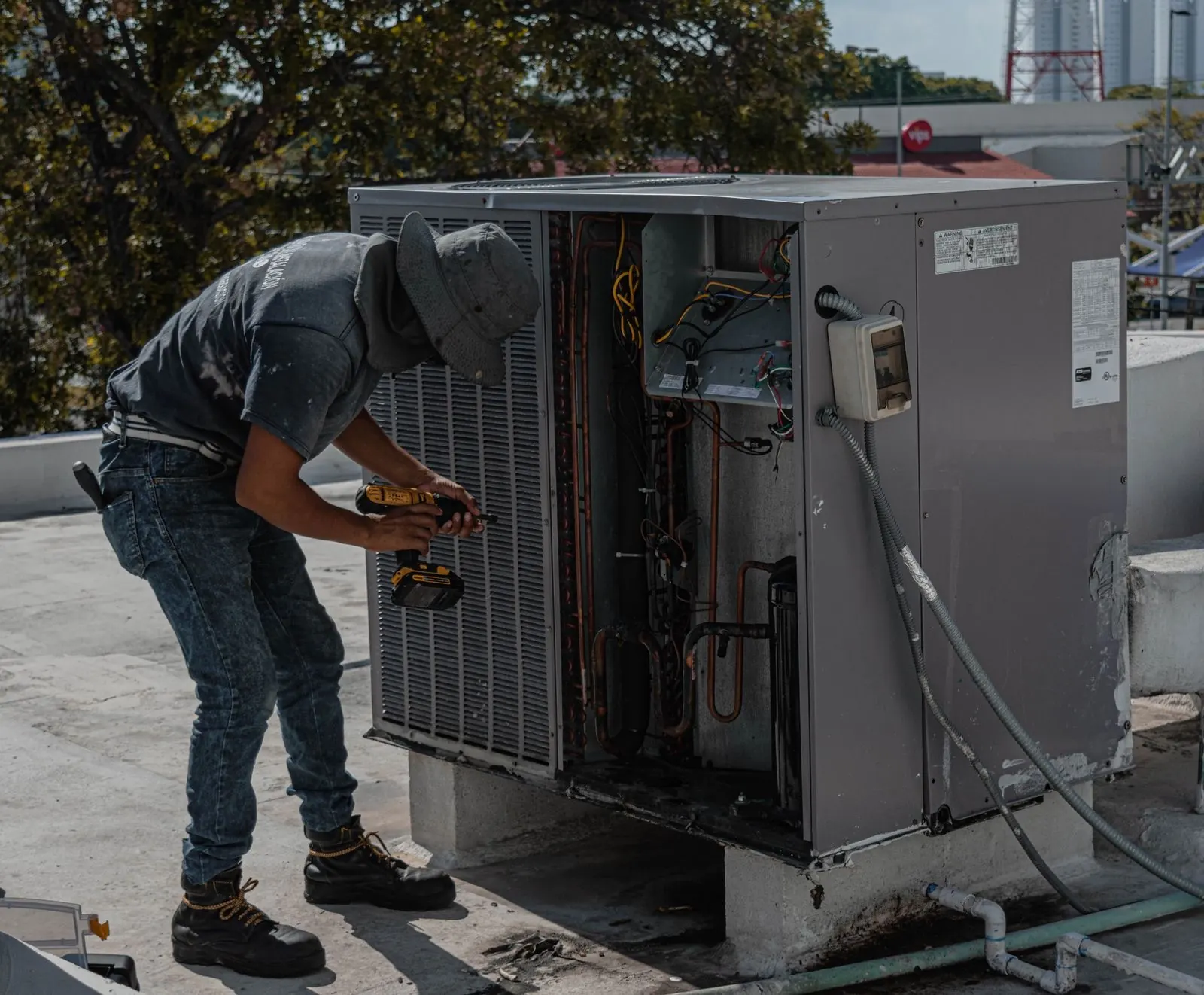

The HVAC industry faces a severe technician shortage that is projected to worsen through 2030. Over 50% of current HVAC technicians are expected to retire within the next decade, and trade school enrollment has not kept pace with demand. For HVAC business owners, hiring and retaining skilled technicians is the single biggest constraint on growth. You can have the best marketing, the strongest lead generation, and a full schedule — but without technicians to run the calls, none of it matters. This guide covers the complete hiring pipeline from sourcing to retention.
Where to Find HVAC Technicians in 2026
Trade Schools and Community Colleges
Build relationships with HVAC programs at local trade schools before graduates enter the job market. Offer to speak to classes, provide scholarships, host shop tours, and extend internship or apprenticeship opportunities. The companies that build trade school pipelines never struggle to hire. Contact your local community college’s HVAC program director and ask about employer partnership opportunities. Most programs are eager to connect graduates with local employers.
Online Job Platforms
Employee Referral Programs
Your current technicians know other technicians. A referral bonus ($500-$2,000 paid after the new hire’s 90-day probation) is the most cost-effective recruiting method in HVAC. Referred employees have 45% higher retention rates than job board hires because they join with a built-in social connection and realistic expectations about the company. Make referral bonuses a permanent program, not a one-time event.
The HVAC Interview and Evaluation Process
Compensation Benchmarking
HVAC technician compensation varies by experience, certification, and market. Use the HVAC labor rate calculator to determine what you can afford to pay while maintaining profitability. 2026 benchmarks: For the details, read our HVAC pricing guide.
- Junior Technician (1-3 years)
- $22-$30/hour. Can handle basic repairs with guidance. Working toward EPA certification.
- Experienced Technician (3-7 years)
- $28-$40/hour. Handles most repairs independently. EPA 608 certified.
Training and Certification Programs
- NATE certification
- North American Technician Excellence. Industry standard for technical competence. NATE-certified companies earn higher customer trust, which directly impacts your reputation and lead generation. Pay for your technicians’ NATE exam and study materials.
- EPA 608 certification
- Legally required for handling refrigerants. Ensure all technicians are certified before they touch refrigerant.
- Manufacturer training
- Carrier, Trane, Lennox, and other manufacturers offer free or subsidized training on their equipment. This improves repair quality and earns your company higher-tier dealer status with better pricing and marketing support.
- Ongoing technical training
- Budget 40+ hours per year per technician. New refrigerants (R-454B replacing R-410A), heat pump technology, smart HVAC systems, and evolving building codes require continuous learning.
- Customer service training
- Technical skills get the job done. Customer service skills get the five-star review. Train technicians on: explaining work to homeowners, presenting options without pressuring, handling complaints professionally, and asking for reviews. This training directly supports your review management system.
Retention Strategies
Hiring a technician costs $5,000-$15,000 when you factor in recruiting, training, lost productivity, and onboarding. Retaining existing technicians is always cheaper than replacing them. The top reasons HVAC technicians leave: below-market pay, lack of growth opportunities, poor management, and feeling undervalued.
- Competitive pay with annual reviews
- If you do not give raises, your competitor will.
- Clear career path
- Apprentice → Junior Tech → Senior Tech → Lead Tech → Service Manager. Map the path, define requirements for each level, and promote from within.
- Quality equipment
- Good trucks, good tools, working inventory. Nothing frustrates a technician more than showing up to a job without the right parts or with a van that breaks down.
- Respect and recognition
- Acknowledge top performers publicly. Celebrate work anniversaries. Ask for input on operational decisions. Technicians who feel valued stay.
- Benefits that matter
- Health insurance, retirement matching, PTO, and paid training are table stakes. Differentiators: tool allowances, take-home vehicles, flexible scheduling, and family events.
How Technician Quality Impacts Business Growth
Your technicians are your brand ambassadors. They enter customers’ homes, represent your company, and determine whether that customer leaves a 5-star or 1-star review. Well-trained, professional technicians generate: higher average tickets (they identify and communicate additional needs), better reviews (which boost your local SEO rankings), more referrals, and higher customer retention rates. Investing in your team is investing in your company’s most visible marketing channel — the in-home experience. Pair this with our HVAC business valuation guide.
Assess your overall business readiness — including team strength, marketing, finances, and operations — with the HVAC business health scorecard.
Other HVAC Marketing Topics
Related Articles
Book Your Free Strategy Session with an HVAC SEO Specialist
In this 30-minute strategy session, an HVAC SEO expert audits your Google Business Profile, site speed, city/service pages, reviews, and local competitors.
Let's Talk
Write Us
- To contact you by phone and/or email in order to discuss marketing opportunities and evaluate potential collaboration with your HVAC business.
- To send you commercial information, marketing insights, or service proposals that may help grow your HVAC company.
$2,500
Rankings Audit — yours free.
Same one every client gets before we start.